
Don’t forget (Nov. 1 –8) ! Go to a cemetery, say a prayer for the Holy Souls in Purgatory, an Our Father, Hail Mary, Glory Be for the Pope, receive Holy Communion, go to confession within 20 days, and you will gain a Plenary Indulgence for one soul each day…. (Assuming no attachment to venial sin; thus a partial indulgence)…which means they will be released from Purgatory and will enter the Gates of Heaven! Those Souls will not forget about you…it comes back full circle! Get your children out there!


The history of our great feasts is always interesting…
The following pictures are of putting flowers on Mom’s/Grandma’s grave on a beautiful fall day… May she rest in peace. Her birthday was on October 31st. It has been 5 years she has been gone. Thank God for our faith which ties us intimately to our beloved dead.


by Frank Weiser, Handbook of Christian Feasts and Customs, 1958
COMMEMORATION OF ALL THE FAITHFUL DEPARTED HISTORY
FOLKLORE RELIGIOUS CUSTOMS
The custom of decorating graves and praying in cemeteries is general in all Catholic countries, both Europe and America. On the afternoon of All Saints’ Day or the morning of All Souls the faithful visit each individual grave of relatives and friends.
Sometimes the congregation, led by the priest, walks in procession to the cemetery. There they pray for all the holy souls in front of the cemetery chapel, then the priest recites the liturgical prayers for the dead and blesses the graves with holy water. Afterward the families separate to offer private prayers at the graves of their loved ones.
During the week preceding All Saints crowds of people may be seen in the cemeteries, usually in the evening after work, decorating the graves of their dear ones with flowers, tending the lawn, and spreading fresh white gravel around the tombs.
Candles, protected by little glass lanterns, are placed around the graves or at the foot of the tombstones, to be lighted on All Saints’ eve and left burning through the night. It is an impressive, unforgettable sight to look upon the hundreds and often thousands of lights quietly burning in the darkness and dreary solitude of a cemetery.
People call them “lights of the holy souls” (Seelenlichter).
To visit the graves of dear ones on All Souls is considered a duty of such import that many people in Europe will travel from a great distance to their home towns on All Saints’ Day in order to perform this obligation of love and piety.
It is an ancient custom in Catholic sections of central Europe to ring the church bells at the approach of dusk on All Saints’ Day, to remind the people to pray for the souls in purgatory. When the pealing of these bells is heard, families gather in one room of their home, extinguish all other lights save the blessed candle (kept from Candlemas Day), which is put on the table.
In the rural sections of Brittany four men alternate in tolling the church bell for an hour on All Saints’ Day after dark. Four other men go from farm to farm during the night, ringing hand bells and chanting at each place: “Christians awake, pray to God for the souls of the dead, and say the Pater and Ave for them.” From the house comes the reply “Amen” as the people rise for prayer.
In most countries of South America All Souls’ Day is a public holiday. In Brazil people flock by the thousands to the cemeteries all morning, light candles and kneel at the graves in prayer. The deep silence of so many persons in the crowded cemetery deeply impresses the stranger.
In Puerto Rico, people will walk for miles to the graves of their loved ones. The women often carry vases of flowers and water, for they know they can get no water at the cemetery to keep the flowers fresh. They wear their best clothes as they trudge along in the hot sun. Whole truckloads of people will arrive at the cemetery if the distance is too far to walk.
The priest visits each grave and says the prayers for the dead as the mourners walk along with him. Sometimes the ceremony lasts for hours and it is near midnight when the tired pastor visits the last graves.
Among the native populations in the Philippines, a novena is held for the holy souls before November 2. In places where the cemetery is close to the town, candles are brought to be burned at the tombs and prayers are said every night.
During these nine days the people also prepare their family tombs for the great Feast of the Souls. Tomb niches and crosses are repainted, hedges trimmed, flowers planted, and all weeds are removed from the graves.
On the evening of All Saints’ Day young men go from door to door asking for gifts in the form of cookies, candy, and pastry, and they sing a traditional verse in which they represent holy souls liberated from purgatory and on their way to Heaven. In Poland, and in Polish churches of the United States, the faithful bring to their parish priest on All Souls’ Day paper sheets with black borders called Wypominki (Naming) on which are written the names of their beloved dead.
During the evening devotions in November, and on Sundays, the names are read from the pulpit and prayers are offered for the repose of the souls. The Church has not established any season or octave in connection with All Souls. The faithful, however, have introduced an “octave” of their own, devoting the eight days after All Souls’ to special prayer, penance, and acts of charity. This custom is widespread in central Europe. People call this particular time of the year “Soul Nights” (Seelenniichte).
Every evening the rosary is said for the Holy Souls within the family while the blessed candle burns. Many go to Mass every morning. A generous portion of the meal is given to the poor each day; and the faithful abstains from dances and other public amusements out of respect for the Holy Souls. This is a deeply religious practice filled with a genuine spirit of Christian charity which overshadows and elevates the unholy customs of ancient pagan lore.
PRE-CHRISTIAN ELEMENTS
Our pagan forefathers kept severer “cult of the dead” rites at various times of the year. One of these periods was the great celebration at the end of the fall and the beginning of winter (around November 1). Together with the practices of nature and demon lore (fires, masquerades, fertilty cults ) they also observed the ritual of the dead with many traditional rites.
Since All Saints and All Souls happened to be placed within the period of such an ancient festival, some of the pre-Christian traditions became part of our Christian feast and associated with Christian ideas.
There is, for instance, the pre-Christian practice of putting food at the graves or in the homes at such times of the year when the spirits of the dead were believed to roam their familiar earthly places. The beginning of November was one of these times.
By offering a meal or some token food to the spirits, people hoped to please them and to avert any possible harm they could do. Hence came the custom of baking special breads in honor of the Holy Souls and bestowing them on the children and the poor. This custom is widespread in Europe.
“All Souls’ bread” (Seelen-brot) is made and distributed in Germany, Belgium, France, Austria, Spain, Italy, Hungary, and in the Slavic countries. In some sections of central Europe boys receive on All Souls’ Day a cake shaped in the form of a hare, and girls are given one in the shape of a hen ( an interesting combination of “spirit bread” and fertility symbols). These figure cakes are baked of the same dough as the festive cakes that the people eat on All Saints’ Day and which are a favorite dish all over central Europe. They are made of braided strands of sweet dough and called “All Saints’ cakes” (Heiligenstriezel in German, Strucel Swiateczne in Polish, Mindszenti Kaldcska in Hungarian ).
In western Europe people prepare on All Souls’ Day a meal of cooked beans or peas or lentils, called “soul food,” which they afterward serve to the poor together with meat and other dishes.
In Poland the farmers hold a solemn meal on the evening of All Souls’ Day, with empty seats and plates ready for the “souls” of departed relatives. Onto the plates members of the family put parts of the dinner. These portions are not touched by anyone, but afterward are given to beggars or poor neighbors.
In the Alpine provinces of Austria destitute children and beggars go from house to house, reciting a prayer or singing a hymn for the Holy Souls, receiving small loaves of the “soul bread” in reward. There, too, people put aside a part of everything that is cooked on All Souls’ Day and give meals to the poor.
In northern Spain and in Madrid people distribute and eat a special pastry called “Bones of the Holy” (Huesos de Santo). In Catalonia All Souls’ pastry is called Panellets (little breads ).
All Saints and All Souls
In Hungary the “Day of the Dead” (Halottak Napia) is kept with the traditional customs common to all people in central Europe. In addition, they invite orphan children into the family for All Saints’ and All Souls’ days, serving them generous meals and giving them new clothes and toys.
In Brittany the farmers visit the graves of their departed relatives on Jour des morts (Day of the Dead), kneeling bareheaded at the mound in long and fervent prayer. Then they sprinkle the grave with holy water, and finally, before leaving, pour milk over the grave as a libation “for the holy souls.” In every house a generous portion of the dinner is served before an empty seat and afterward given to the hungry.
LEGENDS
Many other customs of the ancient cult of the dead have survived as superstitions to this day. The belief that the spirits of the dead return for All Souls’ Day is expressed in a great number of legends and traditions.
In the rural sections of Poland the charming story is told that at midnight on All Souls’ Day a great light may be seen in the parish church; the holy souls of all departed parishioners who are still in purgatory gather there to pray for their release before the very altar where they used to receive the Blessed Sacrament when still alive.
Afterward the souls are said to visit the scenes of their earthly life and labors, especially their homes. To welcome them by an external sign the people leave doors and windows open on All Souls’ Day.
In the rural sections of Austria the holy souls are said to wander through the forests on All Souls’ Day, sighing and praying for their release, but unable to reach the living by external means that would indicate their presence. For this reason, the children are told to pray aloud while going through the open spaces to church and cemetery, so the poor souls will have the great consolation of seeing that their invisible presence is known and their pitiful cries for help are understood and answered.
LITURGICAL PRAYER
O God, Creator and Redeemer of all the faithful, grant to the souls of Thy servants departed the remission of all their sins, that through our devout prayers they may obtain the pardon which they have always desired.


Many of us have blood relations—grandmothers, aunts and uncles, and parents—who have died and are likely in purgatory. We should be praying for their souls out of love for them. But even if we have no dead relatives that we know of, the souls in purgatory are still our spiritual brothers and sisters. We are related by baptism into Christ, and this familial relationship should spur us to act on their behalf.-The Catholic Gentleman https://www.facebook.com/TheCatholicGentleman/







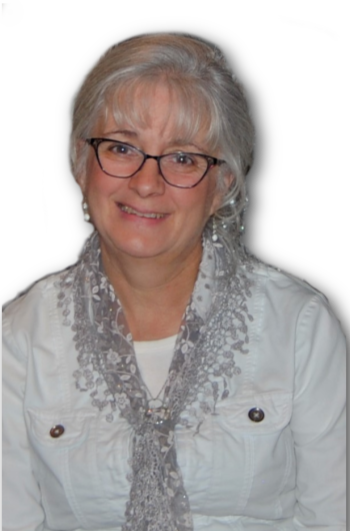


A very blest feast of All Souls! May they rest in peace! My Grandma has been dead 5 years too. 😔🙏